
Choosing the Best Kids Music School Options
- Paige Spiers
- Jan 19
- 4 min read
Finding the right place for your little one to explore music can feel overwhelming. There are so many choices, and you want the best for your child’s early development. Music is more than just notes and rhythms - it’s a way to boost confidence, creativity, and even social skills. I’m here to help you navigate the world of kids music school options with warmth and clarity. Let’s dive into what makes a music school truly special for babies and toddlers.
Exploring Kids Music School Options
When you start looking at kids music school options, you’ll notice a variety of teaching styles and class formats. Some schools focus on group classes with singing and movement, while others offer one-on-one lessons with instruments. It’s important to consider what fits your child’s personality and your family’s schedule.
For example, group classes can be fantastic for social interaction and learning to listen to others. On the other hand, private lessons might suit a child who thrives with individual attention. Many schools also blend these approaches, offering a mix of group and private sessions.
Here are some key factors to think about when exploring options:
Class size: Smaller groups often mean more personalised attention.
Teacher qualifications: Look for experienced instructors who specialise in early childhood music.
Curriculum: Does the program include singing, instruments, movement, and listening activities?
Location and schedule: Convenience matters, especially for busy families.
Trial classes: Many schools offer a free or discounted trial - a great way to see if it’s a good fit.
Remember, the best music school is one where your child feels happy and excited to learn.

What is the Best Age to Start Music Classes for Kids?
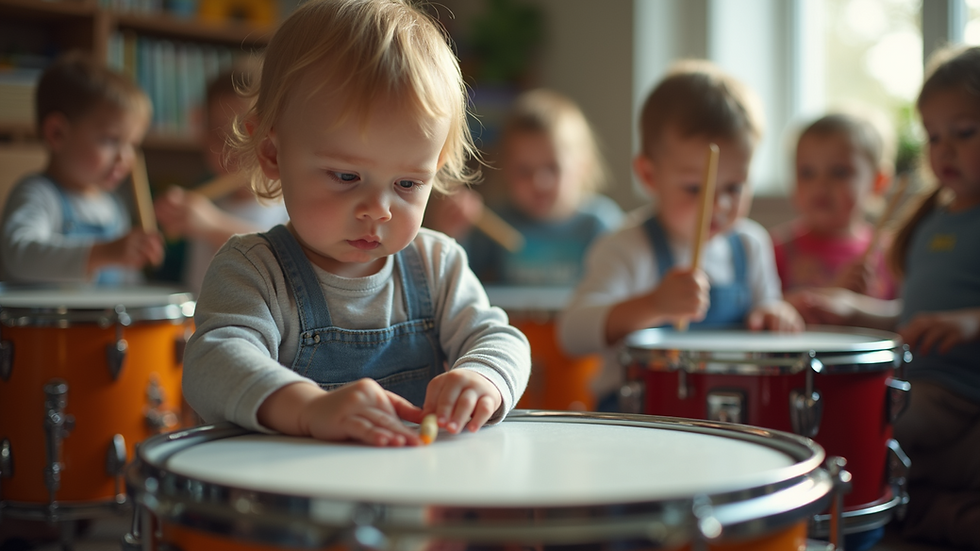
You might wonder when is the perfect time to introduce your child to music classes. The good news is, it’s never too early! Babies as young as six months can benefit from music sessions designed just for them. These classes often involve simple songs, gentle movement, and lots of interaction.
Starting early helps develop listening skills, rhythm, and even language. Toddlers, around 1 to 3 years old, can engage more actively by singing along, playing simple percussion instruments, and moving to the beat. This age is fantastic for building confidence and social skills in a fun, supportive environment.
If your child is a bit older, say preschool age, they can start exploring specific instruments or more structured lessons. The key is to keep it playful and pressure-free. Music should be a joyful experience, not a chore.
What to Look for in a Music School for Kids
Choosing a music school for kids means looking beyond just the classes offered. You want a place that feels like a community, where your child can grow and thrive. Here are some practical tips to help you decide:
Safety and Comfort: The environment should be clean, safe, and welcoming. Check if the school has child-friendly facilities and easy parking.
Teacher Interaction: Observe how teachers engage with children. Are they patient, encouraging, and enthusiastic?
Parent Involvement: Some programs encourage parents to participate, which can be great for bonding and reinforcing learning at home.
Progress Tracking: Does the school provide feedback or milestones to help you see your child’s development?
Flexibility: Life with little ones can be unpredictable. Look for schools that offer flexible scheduling or make-up classes.
Visiting a few schools and chatting with instructors can give you a real feel for the atmosphere. Trust your instincts - if it feels right, it probably is!

How Music Classes Benefit Your Child’s Development
Music classes do so much more than teach notes and rhythms. They support your child’s overall growth in wonderful ways. Here’s how:
Cognitive Skills: Learning songs and rhythms improves memory and attention.
Language Development: Singing helps with vocabulary and pronunciation.
Motor Skills: Playing instruments and moving to music enhance coordination.
Emotional Expression: Music offers a safe way for children to express feelings.
Social Skills: Group classes teach sharing, turn-taking, and cooperation.
When you choose the right music school, you’re giving your child a gift that lasts a lifetime. Plus, it’s a joyful experience that can bring your family closer together.
Making Music Education Easy and Accessible
I know how busy life can be, especially with little ones. That’s why finding a music school that fits your lifestyle is so important. Look for programs that offer:
Convenient locations close to home or work.
Flexible class times including weekends or evenings.
Online options for days when you can’t make it in person.
Affordable pricing or packages that suit your budget.
Little Rhythm Co, for example, is dedicated to making early music education easy and accessible for families in Melbourne’s Western Suburbs. Their award-winning program is designed with busy parents in mind, offering engaging classes that fit your schedule and your child’s needs.
Remember, the goal is to make music a joyful part of your child’s life without adding stress to your day.
Your Next Step in the Musical Journey
Choosing the best kids music school options is a wonderful step towards nurturing your child’s creativity and confidence. Take your time, explore different programs, and trust your heart. When your child finds a place where they feel inspired and supported, the magic of music will unfold naturally.
If you’re ready to start this exciting journey, consider visiting local schools, asking questions, and even joining a trial class. Your child’s musical adventure awaits - and it’s going to be a beautiful one!
Happy music making!
Comments