
Unlock Potential with Early Childhood Music: Music Benefits for Young Kids
- Paige Spiers
- Jan 5
- 4 min read
Music is a magical tool that can unlock so much potential in our little ones. From the moment babies hear their first lullaby, music begins to shape their world in wonderful ways. As a parent, I’ve seen firsthand how introducing music early can spark joy, curiosity, and growth. If you’re wondering how music can benefit your baby or toddler, you’re in the right place! Let’s explore the amazing music benefits for young kids and how you can easily bring music into your family’s daily life.
Why Music Benefits for Young Kids Are So Powerful
Music is more than just a fun activity. It’s a powerful way to support your child’s development across many areas. When babies and toddlers engage with music, they’re not just listening or moving to a beat—they’re building essential skills that will help them for years to come.
Here are some key benefits:
Language Development: Singing songs and rhymes helps babies learn new words and sounds. It’s like a natural language lesson wrapped in fun.
Motor Skills: Clapping, tapping, and dancing to music improve coordination and fine motor skills.
Emotional Expression: Music gives children a safe way to express feelings and develop empathy.
Cognitive Growth: Learning rhythms and patterns boosts memory and problem-solving skills.
Social Connection: Group music activities encourage sharing, turn-taking, and cooperation.
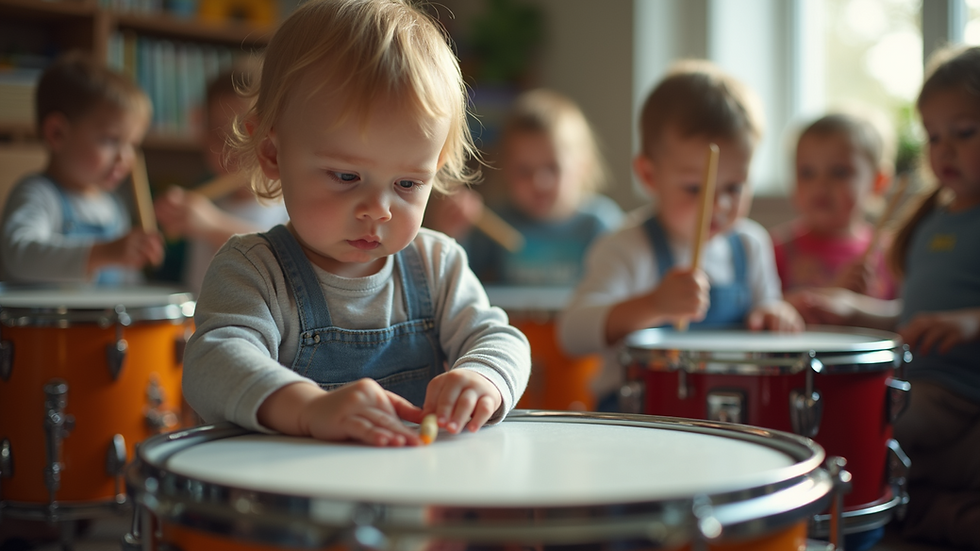
For example, when my toddler claps along to a simple song, I see her concentration and joy light up her face. It’s a small moment, but it’s packed with learning and connection.
How to Introduce Music to Your Baby or Toddler
You don’t need to be a musician to bring music into your child’s life. The key is to make it enjoyable and part of your daily routine. Here are some practical tips:
Sing Often: Use simple songs during playtime, bath time, or bedtime. Your voice is your child’s favourite instrument.
Use Instruments: Introduce easy instruments like shakers, tambourines, or small drums. Let your child explore sounds freely.
Dance Together: Move to music with your child. Dancing helps develop balance and coordination.
Attend Classes: Look for local baby and toddler music classes that focus on interactive, age-appropriate activities.
Create a Music Space: Dedicate a corner at home with instruments and music players for spontaneous jam sessions.
Remember, the goal is to have fun and encourage exploration. Don’t worry about perfect rhythm or pitch—your enthusiasm is what matters most!
Unlocking Growth with Early Childhood Music Education
One of the best ways to ensure your child benefits from music is through structured programs. Early childhood music education offers a nurturing environment where babies and toddlers can develop skills through guided play and expert teaching.
These programs are designed to:
Foster a love of music from an early age
Support developmental milestones with age-appropriate activities
Provide social interaction with other children and parents
Offer a consistent routine that families can rely on
At Little Rhythm Co, for example, classes are tailored to busy families in Melbourne’s Western Suburbs, making it easy to fit music into your schedule. The award-winning program combines singing, movement, and instrument play to create a joyful learning experience.
Tips for Busy Families to Keep Music Alive at Home
Life can get hectic, but music doesn’t have to be another chore. Here are some simple ways to keep music alive in your home without adding stress:
Short Sessions: Even 5-10 minutes of singing or playing instruments daily can make a difference.
Incorporate Music into Routines: Sing while dressing, cleaning up toys, or driving in the car.
Use Technology Wisely: Play age-appropriate music playlists or apps that encourage interaction.
Make It Social: Invite friends or family for mini music sessions to keep things lively.
Follow Your Child’s Lead: Notice what types of music or instruments your child enjoys and build on that.
By weaving music naturally into your day, you create a rich environment for your child’s growth without feeling overwhelmed.
Seeing the Difference: Real-Life Stories of Music’s Impact
I love hearing stories from parents who have seen the magic of music unfold in their children. One mum shared how her shy toddler began to open up and communicate more after joining a local music class. Another parent noticed improved sleep patterns after introducing calming lullabies at bedtime.
These stories remind me that music is not just about notes and rhythms—it’s about connection, confidence, and joy. When children engage with music early, they gain tools that help them navigate the world with curiosity and resilience.
If you’re ready to unlock your child’s potential through music, starting small and staying consistent is the way to go. Whether it’s a daily song or a weekly class, every musical moment counts.
Music is a gift that keeps on giving. By embracing the music benefits for young kids, you’re setting your child up for a lifetime of learning and happiness. So why wait? Let’s make music a joyful part of your family’s journey today!

Comments