
Discovering Baby Music Sensory Benefits: Why These Classes Are a Game-Changer
- Paige Spiers
- Jan 12
- 4 min read
When I first heard about baby music sensory benefits, I was curious but unsure how much impact a simple music class could have on my little one. After all, babies are so young, and it sometimes feels like they’re just soaking up the world without much interaction. But as I learned more, I realised these classes offer so much more than just fun tunes. They’re a wonderful way to support early development, build bonds, and create joyful memories. If you’re looking for a gentle, engaging activity that nurtures your baby’s growth, keep reading!
How Baby Music Sensory Benefits Support Early Development
Music is a powerful tool for babies. It stimulates their senses and encourages brain development in ways that few other activities can. When babies listen to different sounds, rhythms, and melodies, their brains start making connections that lay the foundation for language, motor skills, and emotional understanding.
For example, when a baby hears a steady beat, they begin to recognise patterns. This pattern recognition is crucial for later skills like reading and maths. Plus, moving to music helps develop coordination and balance. Even simple actions like clapping or swaying can strengthen muscles and improve motor control.
In my experience, the combination of sound, movement, and touch in these classes creates a rich sensory environment. This multisensory approach helps babies process information more effectively and builds their confidence to explore new experiences.
Practical tip: Try singing simple songs with your baby at home, encouraging them to move or clap along. This reinforces what they learn in class and deepens your connection.
The Emotional and Social Perks of Baby Music Sensory Benefits
One of the most heartwarming aspects of these classes is watching babies interact with others. Music naturally invites social engagement. Babies smile, babble, and respond to the sounds and movements of their peers. This early social interaction is vital for emotional development.
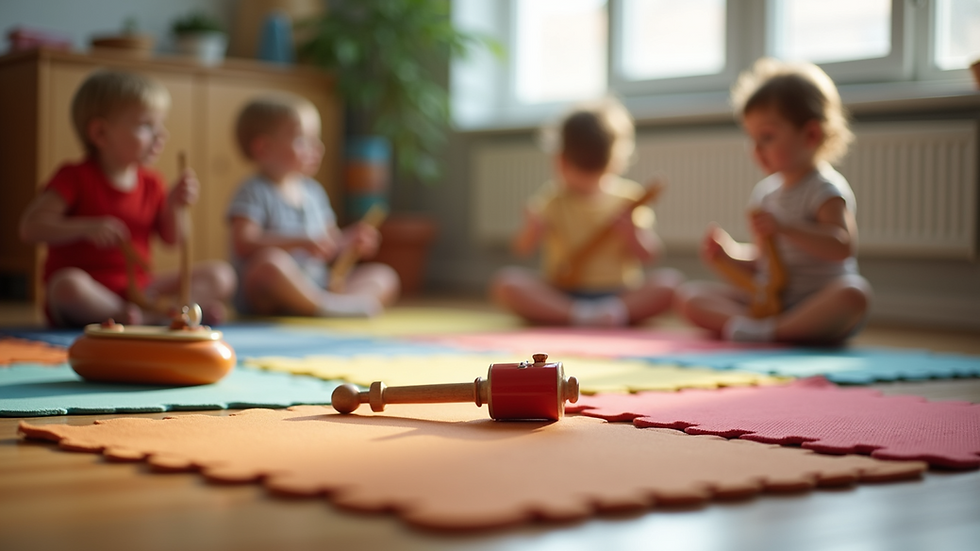
In a typical session, you’ll see babies making eye contact, sharing instruments, and even imitating each other’s actions. These moments build empathy and communication skills. Plus, the shared joy of music creates a positive atmosphere that helps babies feel safe and loved.
For parents, it’s a chance to connect with other families and share the joys and challenges of early parenthood. The supportive environment encourages us to relax and enjoy the moment with our little ones.
Try this: During class or at home, encourage your baby to pass a small instrument to a friend or family member. It’s a simple way to practice sharing and turn-taking.
What Makes Little Rhythm Co’s Baby Music Sensory Classes Special
If you’re in Melbourne’s Western Suburbs, you’re in luck! Little Rhythm Co offers an award-winning program designed with busy families in mind. Their classes are not just about music; they’re about making early music education easy and accessible.
What I love most is how the sessions are structured to suit babies’ natural rhythms. The activities are short, varied, and full of surprises to keep little ones engaged without overwhelming them. The instructors are warm, knowledgeable, and genuinely passionate about helping babies thrive.
Plus, the classes include a mix of singing, movement, and instrument play, all tailored to different age groups. This means your baby gets age-appropriate stimulation that supports their unique stage of development.
If you want to explore these benefits firsthand, check out baby sensory classes at Little Rhythm Co. It’s a wonderful way to introduce your baby to the magic of music in a nurturing setting.
Tips for Making the Most of Your Baby Music Sensory Experience
To get the best from these classes, a little preparation goes a long way. Here are some tips I’ve found helpful:
Dress comfortably: Choose clothes that allow your baby to move freely. Layers are great because rooms can get warm with all the activity.
Arrive early: This gives your baby time to settle and explore the space before the session starts.
Bring a favourite toy or comfort item: Sometimes, familiar objects help babies feel secure in new environments.
Participate fully: Join in the singing, dancing, and instrument play. Your enthusiasm encourages your baby to engage more.
Practice at home: Reinforce the songs and movements you learn in class. It helps your baby remember and enjoy the experience even more.
Remember, every baby is different. Some may be shy at first, and that’s perfectly okay. The key is to be patient and enjoy the journey together.
Why Early Music Education Matters for Your Baby’s Future
It’s easy to think of music classes as just a fun pastime, but the benefits go far beyond entertainment. Early music education supports cognitive, emotional, and social development in ways that last a lifetime.
Research shows that babies exposed to music early on tend to have better language skills, improved memory, and stronger emotional regulation. These skills set the stage for success in school and beyond.
By choosing to introduce your baby to music now, you’re giving them a gift that keeps on giving. It’s a chance to nurture creativity, build confidence, and foster a love of learning.
If you’re ready to see these benefits in action, consider joining a local program like Little Rhythm Co’s baby music sensory classes. It’s a wonderful way to make music a joyful part of your family’s life.
I hope this has inspired you to explore the wonderful world of baby music sensory benefits. Remember, every little beat and melody is a step towards your baby’s bright future. So why not start today? Your baby’s first dance is waiting!

Comments